41 what is the proper method for transporting food off site service
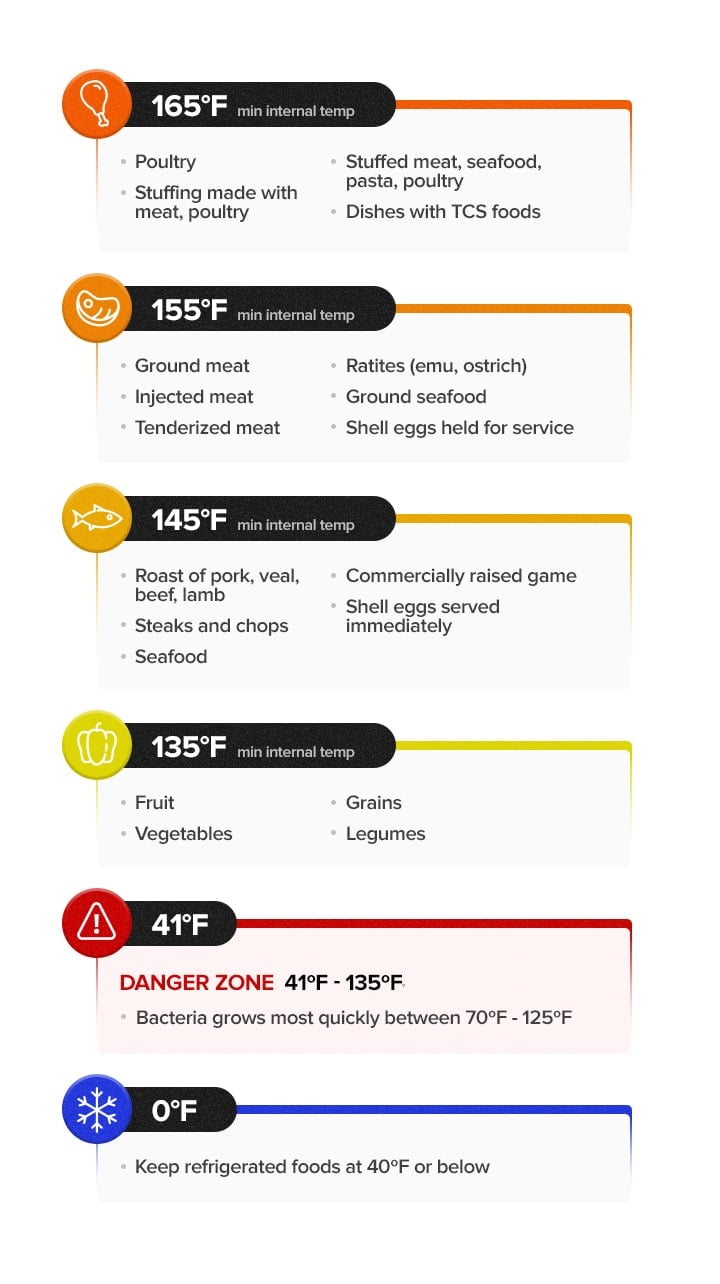
Leftovers and Food Safety | Food Safety and Inspection Service The first step in having safe leftovers is cooking the food safely. Use a food thermometer to make sure that the food is cooked to a safe, minimum internal temperature. Red meats: Cook all raw beef, pork, lamb and veal steaks, chops, and roasts to a minimum internal temperature of 145° F as measured with a food thermometer before removing meat ... ServSafe Manager Chapter 7: The Flow of Food: Service How often must you check the temperature of food that is being held with temperature control? At least every 4 hours A pan of lasagna at 165 degrees F was packed in a heated cabinet for off-site delivery. What is the minimum information that should be on the pan label? Use-by date and time and reheating and service instructions
Serve Safe Study Guide Flashcards | Chegg.com washing hands. In a temporary kitchen area where service items such as plates, knives, forks, and spoons cannot be washed and sanitized properly, it is best to. Use single-use service items. food contact surfaces must be. non absorbant. bacteria that causes food-borne intoxication. produce poisonous substances.

What is the proper method for transporting food off site service
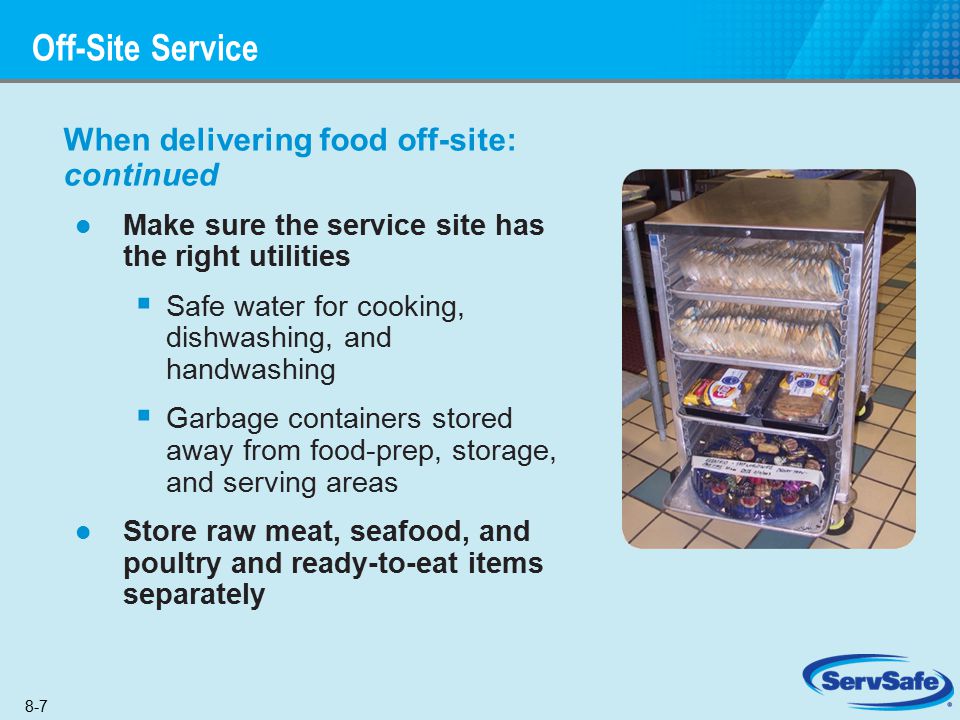
Preventing Cross-Contamination - ServSafe be done when transporting food for off-site service. • If separate storage is not possible, store food in the following top to bottom order: ready-to-eat food; seafood; whole cuts of beef and pork; ground meat and ground fish; whole and ground poultry. • This order is based on the minimum internal cooking temperature of each food. Food Delivery Safety | CDC Milk, meat, cut fruit, and other perishable foods delivered from a local store or farm also need to stay at a safe temperature. Hot food should arrive hot, and cold food should arrive cold. Food should not be kept at room temperature for more than 2 hours, or 1 hour if the outside temperature is 90°F or warmer. Chapter 9 Food Safety Flashcards | Quizlet When transporting food off-site: Use insulated, food-grade containers designed to keep food from mixing, leaking, and spilling. Label food with a use-by date and time, and reheating and service instructions. Clean the inside of delivery vehicles regularly. Check internal food temperatures. Practice good personal hygiene.
What is the proper method for transporting food off site service. Chapter 7 Flow of Food.docx - Chapter 7 Flow of Food: Service 1. What ... Answer: Below are some of the measures that can be taken to minimize contamination in self-service areas.- Use sneeze guards, display cases, or packaging to protect food on display from contamination.- Mark food in self-service areas with a label.- In self-service areas, do not allow customers to fill up dirty plates or use dirty utensils.- Stock food displays with ... What is the proper method for transporting food for off site service ... The best and proper method that can use to transport food for off site service is to make use to make use of insulated food grade containers so as to prevent food from the following: Leakage Mixing etc Therefore pack food in insulated food-grade containers. brainly.com/question/22559790 #SPJ1 Advertisement Servsafe Flashcards | Quizlet Containers for transporting food for off-site service must be food-grade, leakproof, and Insulated Food for off-site service should be labeled with a use-by date and time and Reheating and service instructions Cold TCS food being held for off-site service must be at what temperature? 41F (5C) or below How to Dispose of Contaminated or Spoiled Food | FDA For further information about disposing of contaminated, spoiled food as well as reconditioning, contact the Office of Compliance, Center for Food Safety and Applied Nutrition (240) 402-2359 or...
Transport, Handle, and Store Food Properly - Safe and Healthy Food ... Proper temperature control is key for maintaining the safety of perishable foods such as fresh produce, prepared meals, meats and eggs, and dairy. The Danger Zone is the range of temperatures between 40°F and 140°F. This is the temperature range at which harmful bacteria grow most rapidly. Keep Hot Foods Hot Keep Cold Foods Cold Page 5 - ServSafe Manager Study Guide for the ServSafe - Union Test Prep Off-Site Food Service Food for catered events should be transported in insulated, food-grade containers that are leakproof. Use containers that can be held at appropriate temperatures. Label them with use-by date and time, and reheating and serving instructions. Internal temperatures should be taken. A Guide to Transporting Cattle Safely | USA Truckload Shipping Loading Cattle for Transportation Before loading cattle into a livestock trailer, it's important to carry out a number of checks on the vehicle. These include: Weighing the truck while it is empty Gates are in good repair and open Clean-out traps have been shut The livestock trailer has been thoroughly cleaned .What practices should be followed to serve catered food off-site ... When transporting food off-site: Use insulated, food-grade containers designed to keep food from mixing, leaking, and spilling. Label food with a use-by date and time, and reheating and service instructions. Clean the inside of delivery vehicles regularly. Regarding This, Which is a potential source of contamination when serving off site?
What are the correct procedures for preparing and serving food for off ... What is the proper method for transporting food for off site service ? When transporting food off-site: Use insulated, food-grade containers designed to keep food from mixing, leaking, and spilling. Label food with a use-by date and time, and reheating and service instructions. Clean the inside of delivery vehicles regularly. Food safety for food delivery | Food Standards Agency Food that needs refrigerating must be kept cool while being transported. This may need to be packed in an insulated box with a coolant gel or in a cool bag. Equally, food that needs to be kept hot... PDF Transporting Food to Remote Sites (Satellite Kitchens) : Hot Holding, Cold Holding, Reheating, Cooling, Transporting Food INSTRUCTIONS 1. Train foodservice employees on using the procedures in this SOP. 2. Follow California Retail Food Code requirements. 3. Keep frozen foods frozen during transportation. 4. servsafe Flashcards | Quizlet Saliva can be transferred to a food handler's hands. When a food recall occurs, the operation must discontinue use of the food item. an individual who is infected with pathogens but shows no signs of illness is called a (n). carrier Garbage containers used by an operation should be Leak proof waterproof and easy to clean
Fine Dining Etiquette: Server Tips for Fine Dining Restaurants
What are the correct procedures for preparing and serving food for off ... When delivering food off-site:Use insulated, food-grade containers designed to stop food from mixing, leaking, or spilling.Clean the inside of delivery vehicles regularly.Check internal food temperatures.Label food with a use-by date and time, and reheating and service instructions.
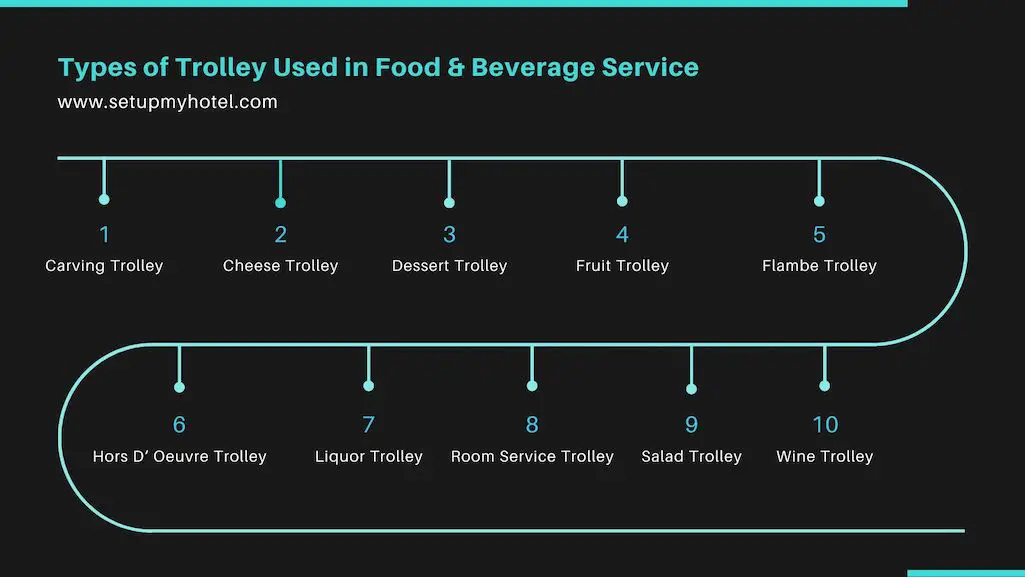
10 Types of Trolley Used in Food and Beverage Service
Handling Food Safely While Eating Outdoors | FDA Use an appliance thermometer to be sure the temperature is consistently 40° F or below and the freezer temperature is 0° F or below. Refrigerate or freeze meat, poultry, eggs, seafood, and other...

25 skills every cook should know | BBC Good Food
PPTX Providing Safe Food - ServSafe Label food with a use-by date and time, and reheating and service instructions. 7-20. Off-Site Service. Instructor Notes. Delays from the point of preparation to the point of service increase the risk that food will be exposed to contamination or time-temperature abuse. At the service site, use appropriate containers or equipment to hold food ...

GrabExpress Delivery Service | Grab PH
Servsafe ch 9 - The Flow of Food: Service Flashcards | Quizlet Hold the food at 41f or lower before removing it from refrigeration, label the food with the time you removed it from refrigeration and the time you must discard it, make sure the food does not exceed 70f while being served, sell, serve, or discard the food within 6 hours. when holding hot food without temperature control

25 skills every cook should know | BBC Good Food
Chapter 9 Food Safety Flashcards | Quizlet When transporting food off-site: Use insulated, food-grade containers designed to keep food from mixing, leaking, and spilling. Label food with a use-by date and time, and reheating and service instructions. Clean the inside of delivery vehicles regularly. Check internal food temperatures. Practice good personal hygiene.
The Safe Food Transportation Rules: Safety with a Side of ...
Food Delivery Safety | CDC Milk, meat, cut fruit, and other perishable foods delivered from a local store or farm also need to stay at a safe temperature. Hot food should arrive hot, and cold food should arrive cold. Food should not be kept at room temperature for more than 2 hours, or 1 hour if the outside temperature is 90°F or warmer.

10 ways food processors can ensure food safety | Rentokil
Preventing Cross-Contamination - ServSafe be done when transporting food for off-site service. • If separate storage is not possible, store food in the following top to bottom order: ready-to-eat food; seafood; whole cuts of beef and pork; ground meat and ground fish; whole and ground poultry. • This order is based on the minimum internal cooking temperature of each food.
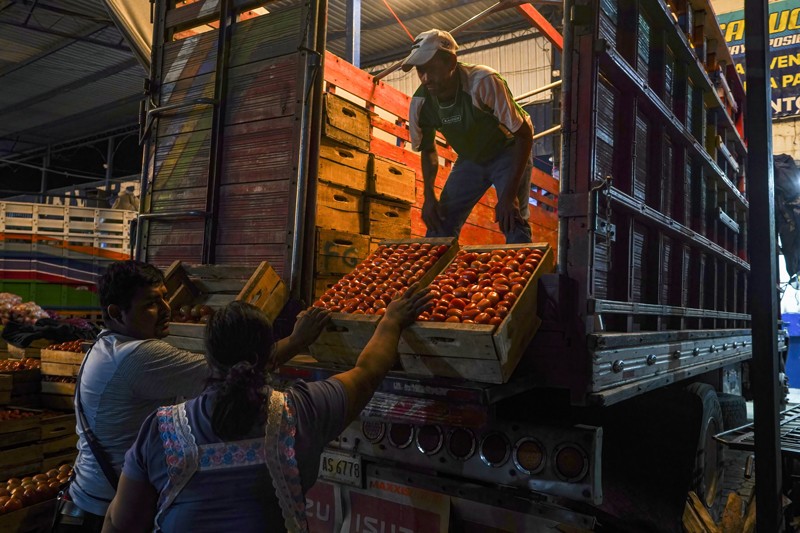
Transporting food generates whopping amounts of carbon dioxide
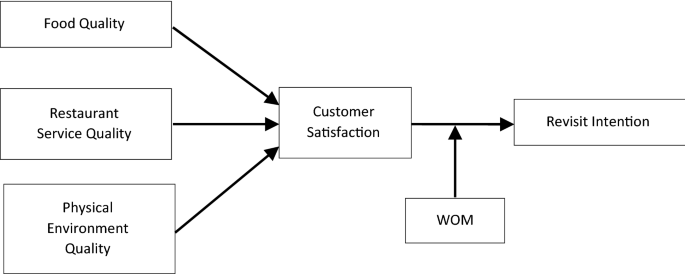
Satisfaction and revisit intentions at fast food restaurants ...
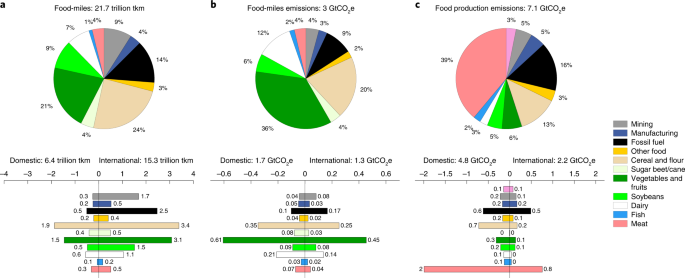
Global food-miles account for nearly 20% of total food ...
Transportation Overview
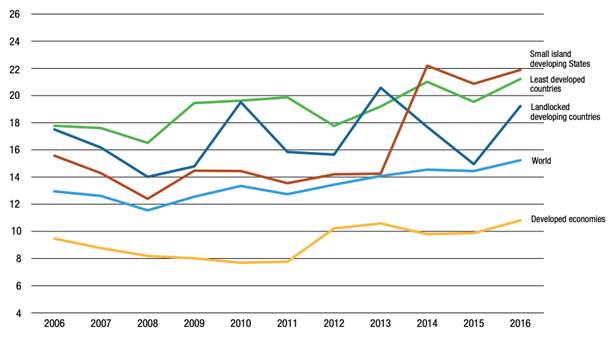
Why and how to measure international transport costs | UNCTAD

Food loss and waste - Wikipedia
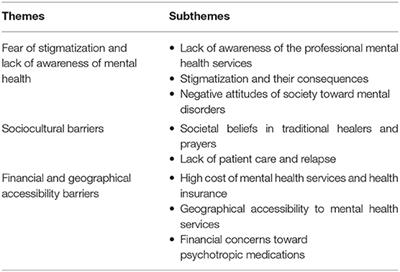
Frontiers | Exploring Barriers to Mental Health Services ...

122 questions with answers in TRANSPORT | Science topic
PUBLIC FOOD PROCUREMENT AND SERVICE POLICIES FOR A HEALTHY DIET
Food Safety
Chapter 8 The Flow of Food: Service - ppt video online download
REVIEW OF MARITIME TRANSPORT 2013
OPERATIONAL PROCEDURES FOR MOBILE SUPPORT UNITS (MSU)
In search of sustainable and inclusive mobility solutions for ...
:max_bytes(150000):strip_icc()/the-5-factors-of-a-good-location.aspx_final2-74156b87934741bbbb6190914c0f823c.png)
The Factors of a "Good" Location
Waste Management Benefits, Planning and Mitigation Activities ...
Temperature Danger Zone: Safe Food Temperatures
2020 STATE OF CLIMATE SERVICES

Data Annotation: What Is It? Annotated Datasets, Tools ...
MDHHS Guidance on Vaccine Transport
PERMIT APPLICATION FOR FOOD SERVICE ESTABLISHMENTS AND MOBILE ...

Transporting Food Safely • AnswerLine • Iowa State University ...
Food delivery & storage
Food Safety

How to Meal Prep — A Beginner's Guide

FDA Issues Food Safety Rule

Jurnal Online Universitas Gadjah Mada
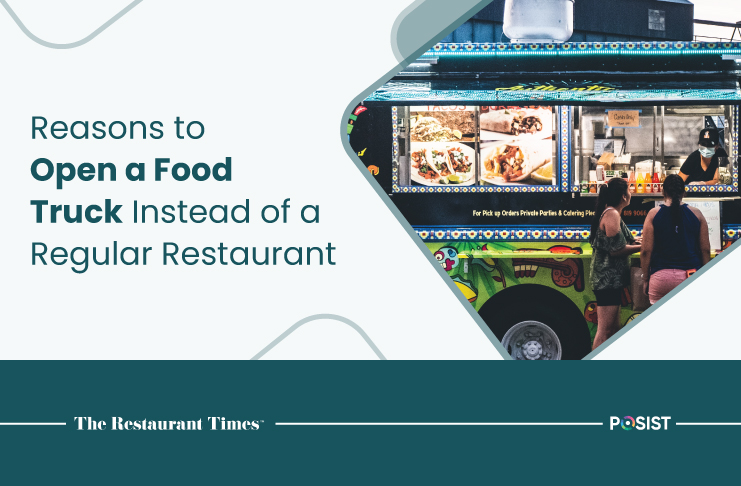
6 Reasons Why You Should Open A Food Truck Instead Of A ...

Booking Forms - Form Templates | Jotform
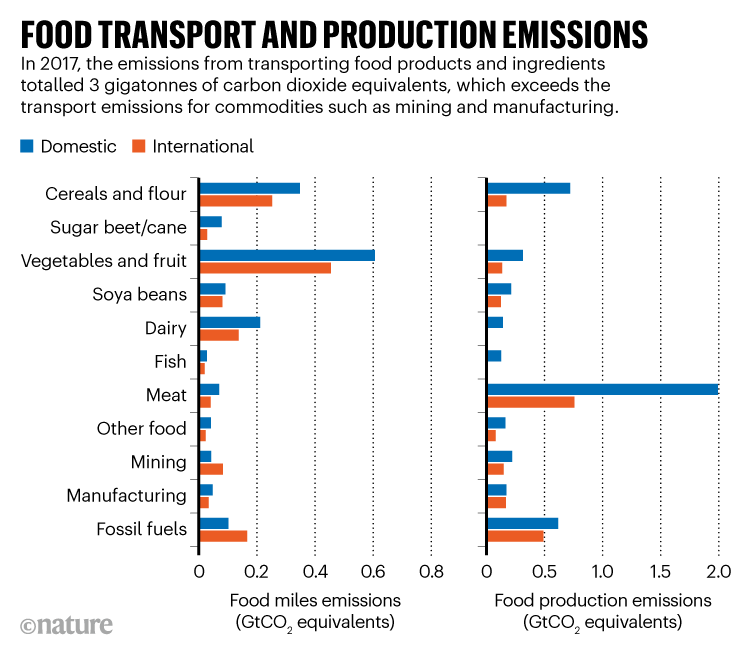
Transporting food generates whopping amounts of carbon dioxide

Food loss and waste - Wikipedia
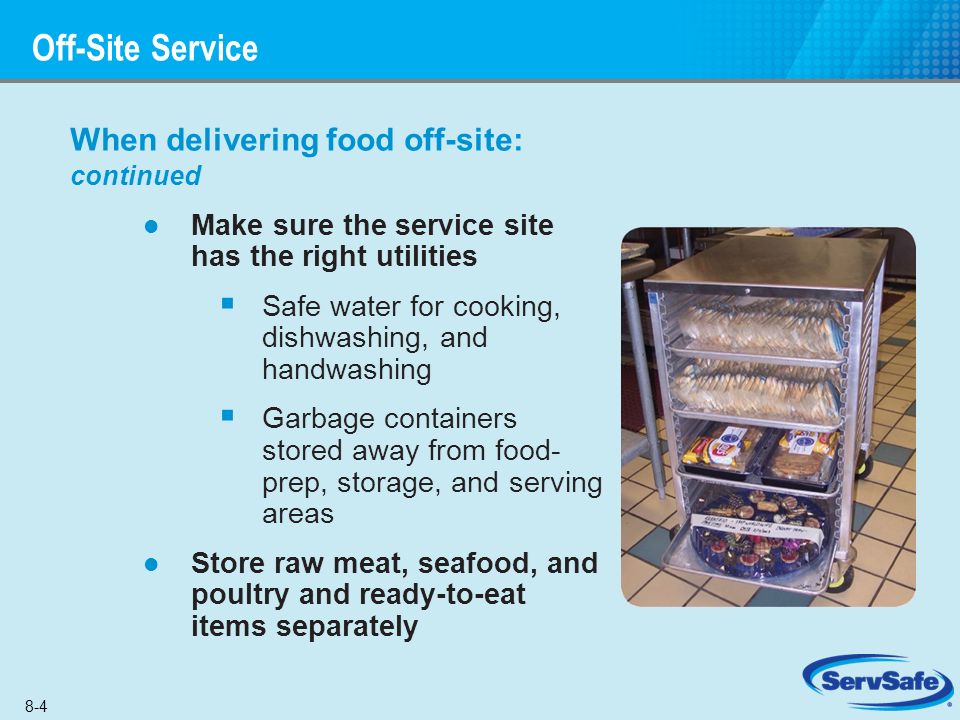
Chapter 8 The Flow of Food: Service. 8-2 Serving Food Safely ...

30+ Flowchart Examples (With Guide, Tips and Templates)
Home | Bureau Veritas
Post a Comment for "41 what is the proper method for transporting food off site service"